A high school research program is worth it when it helps a student pursue a real question, build durable skills, and complete academic work they find interesting.
Research can be a valuable experience for students to explore an academic area of interest. They may want to explore a major, learn scholarly reading, test an interest in coding or lab work, enter a science fair, or develop an original paper. Each goal requires different support and processes.
At the university level, research can also undoubtedly be a strong factor for college admissions. Harvard’s application guidance emphasizes activity quality and available opportunities, not filling every slot. A project is strongest when it grows from sustained interest and honest work in a field the student finds genuinely interesting.
Ask whether students conduct original research, join an existing project, complete a guided review, or receive research instruction. If the goal is an original paper, confirm that support covers the question, method, analysis, writing, and revision.
A self-directed student with accessible data and a qualified teacher may need occasional feedback. Another may need technical instruction, planning, and accountability. Paid structure makes sense when it fills a real gap and has a clear outcome that benefits a student’s academic pathway.

The student should explain the question, method, decisions, results, and limitations. A mentor can teach, challenge, and troubleshoot without taking over. Ask how topics are chosen, what happens between meetings, and how the program protects authorship.
Original research usually takes months. A full-time summer lab may require most weekdays; a school-year project may combine weekly meetings with independent work. For example, our University of San Diego course listing has about 100 to 200 hours of total student engagement for 8 units of credit, depending on the project. Compare that commitment with classes, activities, rest, and application deadlines.
High school research program cost ranges from free school-based work to tuition-based mentorship. Consider travel, housing, supplies, software, conference or publication fees, and optional credit. Ask what happens if the project changes or needs another submission. Aid, payment schedules, and continued support affect value.
This is often the lowest-cost start: a capstone, research club, science fair, independent study, or public dataset with teacher guidance. It offers flexibility and ownership, but technical expertise, deadlines, achievability, and qualified review are usually limited.
Direct outreach can produce excellent mentorship without tuition, but researchers may lack time, space, funding, or approval. A strong message references specific work, explains preparation, and makes a limited request. A university affiliation alone does not promise substantial guidance.
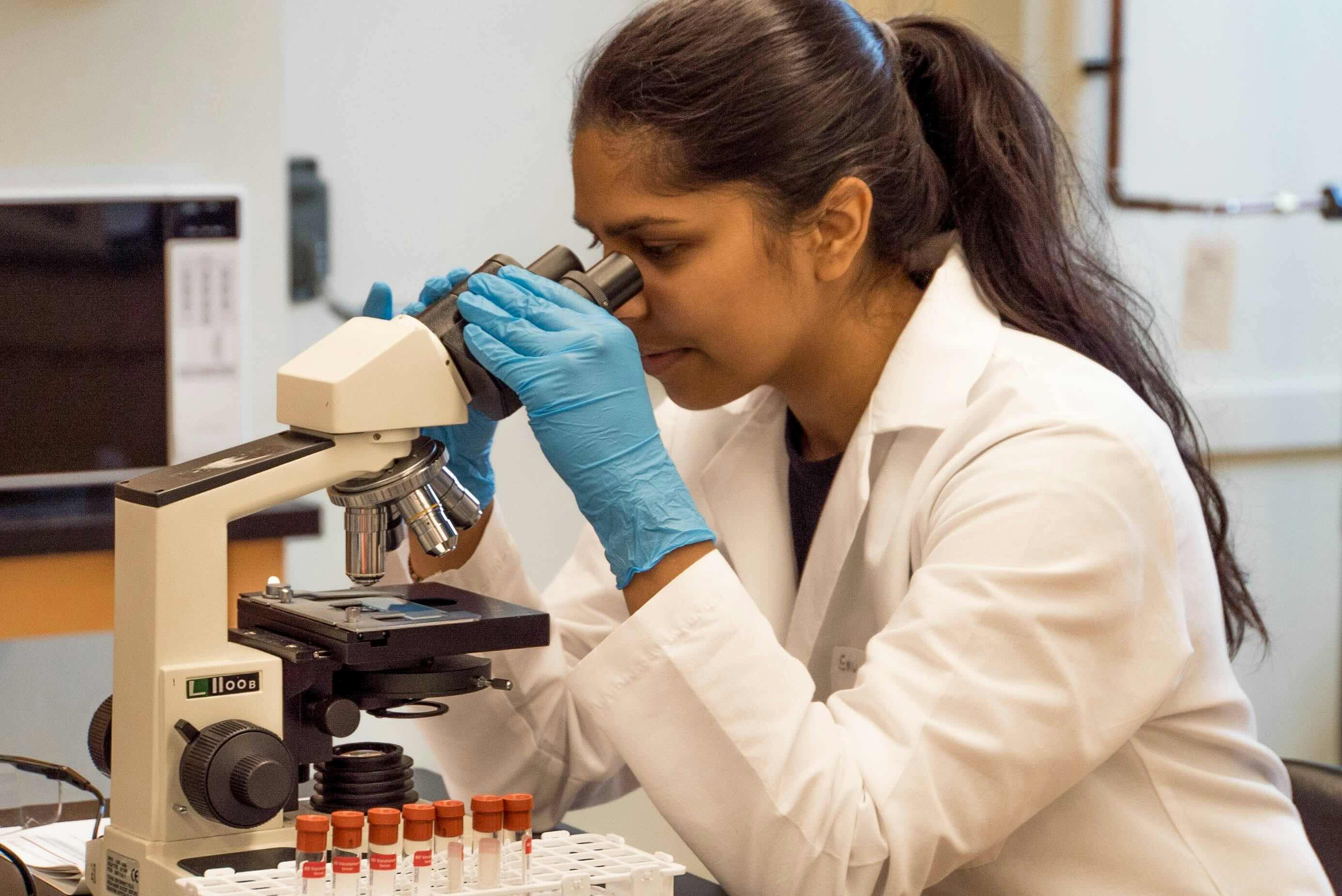
Selective programs may provide instruction, lab access, mentorship, or stipends without tuition, though deadlines, location, grade, residency, and work authorization limit access. Confirm whether students conduct original research or receive enrichment. Science-fair participants should review Society for Science rules and approvals before experimenting.
Paid research programs for high school students can provide reliable matching, personalized pacing, higher outcomes, and continuity when free options do not fit. Value depends on mentor experience, technical depth, ownership, feedback, and support after the first draft. Responsible programs should offer proof of outcomes and publication examples.
So, for most families asking “are high school research programs worth it?,” the better question is: what support does this student need to do meaningful work and retain ownership of it?
At Echelon Scholars, we work with motivated high school students who want to develop original research and pursue postgraduate-level, peer-reviewed publication. Our students receive individualized, one-to-one mentorship from ideation through manuscript development, submission, and revision. The student conducts and writes the research; our mentors provide technical instruction, detailed feedback, and accountability.
Our tuition is $12,500, paid in two installments. We offer highly competitive, need-based financial aid which may cover 10% to 50% of tuition through a supplementary application. Most students spend about six months in our program, although timelines vary by project and pace. Under the Echelon Guarantee, we continue providing mentorship and publication support at no additional tuition cost until the student’s research is accepted by a peer-reviewed, postgraduate-level journal or conference.
This structure fits students pursuing an individual project who need sustained technical guidance beyond a small fixed set of sessions.
Match the expected output to the route and time available. A short enrichment program may end with a presentation or team project. A university lab placement may give a student experience with methods or a contribution to a larger study without individual authorship. School and self-directed projects can lead to a fair entry, poster, report, dataset, or paper when the scope is feasible.
Publication requires a defensible contribution, careful writing, and time for independent review. Confirm whether “publication support” means teaching and revision through submission or simply posting work on a program site. Acceptance dates and venue decisions remain outside any program’s control, so evaluate the quality and continuity of support as well as the stated destination. A publication in a high school journal and one in a post-graduate journal carry significantly different weight for a student's long-term success.
Reconsider when a program cannot show exact publication examples, testimonials, student case studies, and research project outputs. Other concerns include hidden fees, or unverifiable outcomes. Clear programs explain scope, expectations, and support.
Choose the research pathway that best aligns with your academic field and research interest. Start with school resources, independent work, and selective opportunities when they fit. Consider paid mentorship when its structure solves a specific problem; the best investment helps the student complete honest, rigorous work they can explain.
Technically, no. However, while students can conduct meaningful research independently, for students seeking a structured path to advanced scholarship, a dedicated research program becomes essential. It provides the expert mentorship, rigorous methodology, and sustained guidance needed to transform an initial idea into publication-ready academic work.
They can be worth it when a motivated student needs reliable mentor access, technical guidance, and accountability. Compare the full cost with goals, publication outcomes, workload, ownership, and verifiable student success.
While basic programs may only cover introductory concepts over a few weeks, comprehensive programs involve sustained, multi-month mentorship to produce rigorous work. Rather than evaluating sticker price alone, families should weigh the overall scope of support. Look closely at whether tuition covers long-term 1-on-1 guidance, expert peer review, university credit, and continued assistance through the peer-reviewed publication process.
No. Research can demonstrate curiosity, persistence, and academic skill, but no activity guarantees university admission. Students should pursue research because the work fits their interests and goals and builds a strong academic profile to support applications.
Ask who the mentor is, how often the student receives substantive feedback, what the student will own, what output is realistic, what tuition includes, publication outcomes, student success case studies, and what support continues if the project or submission needs revision.
About Echelon Scholars: Echelon Scholars is a research mentorship program that pairs high school students with graduate-level mentors from Harvard, Stanford, and UC Berkeley. Our editorial team covers academic enrichment, research opportunities, and college preparation.