The Summer Science Program admitted around 700 high school students in 2026, spread across 13 college and university campuses with 36 students per campus. Each participant spends five residential weeks on one defined scientific problem with a three-person team. Deciding whether to apply, and which track to choose, starts with the science you want to practice and the courses you will complete by June of the year you're applying for.
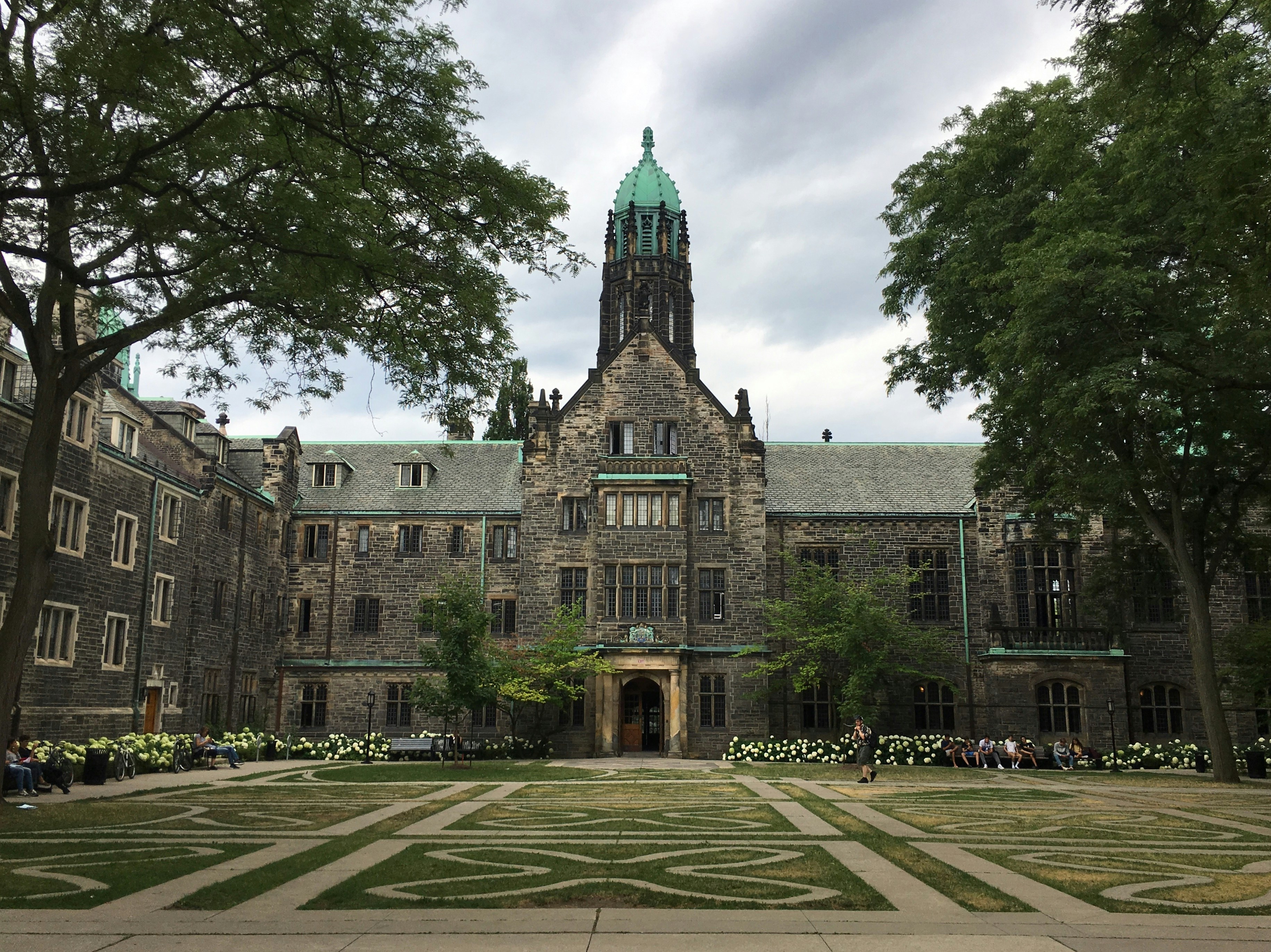
SSP is run by SSP International, an independent nonprofit founded in 1959, and the organization describes it as one of the oldest residential STEM programs in the country. SSP runs at colleges in the United States and Canada, and the host campuses ranged from Purdue University and Lehigh University to Colby College and the University of Guelph in Canada. SSP students live on campus for all five weeks, so the program also gives you a preview of life on a college campus.
SSP is a collaborative research program where students work in teams of three on a problem the faculty has already defined. The official program overview describes intensive, faculty-guided work in which participants investigate one prescribed problem within their selected track. Teams learn the relevant theory and methods, collect or analyze data, and communicate their findings through a manuscript and presentation. The residential program also includes guest lectures, field trips, and informal time with peers.
That structure suits students looking for a rigorous introduction to scientific teamwork. It also means the results belong to the program. The SSP FAQ explains that the program maintains intellectual-property rights over research outcomes, and entering related work in a competition requires approval plus substantial independent advancement. Students whose main goal is to own a self-directed question and develop it toward publication should compare SSP with an individualized mentorship path.
The SSP Biochemistry track studies enzyme structure and function. Teams investigate fungal crop pathogens and design, test, and analyze molecules that may inhibit a target enzyme. It fits students who enjoy connecting molecular biology with chemistry and quantitative reasoning. You need biology, chemistry, and strong algebra preparation.
In the SSP Bacterial Genomics track, teams use non-pathogenic bacteria to study how populations respond to stress through directed evolution. Students culture organisms, sequence DNA, assemble genomes, and analyze mutations using bioinformatics tools. This track is a strong fit if you like biology but also want to work with data, code, and evidence that emerges from many experimental generations. Biology and Algebra II are required.

The Astrophysics track focuses on near-Earth asteroids. Teams make observations, calculate orbits, and use scientific programming to interpret movement through the solar system. It suits you if you want mathematics and physics to drive the investigation. Applicants need physics and precalculus; calculus may substitute when physics is unavailable.
The Cell Biology track uses CRISPR gene editing in yeast to investigate genes involved in the cell cycle. Students create targeted changes and characterize resulting phenotypes. This is the most direct match for students interested in genetics, experimental design, and how molecular changes affect cell behavior. Biology and Algebra II are required.
A practical choice comes down to method as much as subject. Biochemistry emphasizes proteins, assays, and chemical reasoning. Bacterial Genomics combines wet-lab work with sequencing and bioinformatics. Astrophysics is observation- and computation-heavy. Cell Biology centers on gene editing and phenotype analysis. SSP asks you to choose one research project when you register, so your course history and enthusiasm should point in the same direction.
For the upcoming cycle, SSP eligibility is available to current high school juniors who will be at least 15 but not yet 19 during the program. Freshmen, sophomores, and seniors cannot apply. The only academic prerequisite is coursework for your track, completed for credit and a grade by June. AP or other advanced classes are not required, and self-study does not replace a required school course.
SSP requires full residential participation. You can't take other coursework, attend another summer program, or hold an internship during the five weeks, because the academic work and the cohort experience are both central to the program.
The application is scheduled to open in December 2026, and applying is free. SSP anticipates an international deadline in January 2027 and a domestic deadline in February, with admission decisions released from March through April and programs beginning in mid-June. Exact application dates were not yet posted as of October 30, 2026.
Domestic applicants must be U.S. citizens or permanent residents who also attend school in the United States. Everyone else, including exchange students without permanent residency, applies with the international applicants and follows the earlier deadline. SSP is open to international students and offers them financial aid, and it does not consider standardized test scores this cycle apart from English-proficiency evidence for international students when applicable.
Plan for an academic record, track selection, and recommendations that show how you learn. One recommendation from a math or science teacher at your school is required, preferably from the current academic year. A second recommendation is strongly preferred but not required. Your application should make a specific case for why the track's methods interest you, what preparation you have completed, and how you respond when research becomes difficult.
The 2026 program fee was $11,800 for tuition, room, board, supplies, local trips, and program transportation; next year's fee is due to be posted in December 2026. SSP financial aid covers 100% of demonstrated need, including participant travel in eligible cases, and it never includes loans. SSP says the program is free for participants with a family income of $75,000 or less and typical expenses, and families earning under about $140,000 often qualify for full aid or a partial discount. A limited number of $3,000 stipends are also available for students who would otherwise need to work over the summer.
Admitted students apply for aid after admission. Because the program is need-blind, financial need does not reduce an applicant's chance of acceptance.
Sophomores cannot apply yet, but they can use the year well. Map the prerequisite courses for the track that interests you, strengthen algebra and data interpretation, and practice explaining scientific choices in plain language. A small independent project, science fair project, coding analysis, or sustained lab experience can help you learn whether you enjoy the actual methods behind a track.
Juniors should focus on fit rather than collecting more activities. Revisit a class experiment or project that changed your thinking. Identify the scientific questions that kept you curious after the assignment ended. Then connect those experiences to the work SSP actually asks teams to do. A precise explanation of why genome assembly, enzyme assays, orbital calculations, or gene editing interests you is more useful than a general claim that you love science.
SSP is designed for students who want a structured residential cohort, a defined team problem, and rapid immersion in advanced methods. If you want to bring your own question, or you want a paper you can publish independently, you will need a separate route for that work.
Other selective summer research programs for high school students include the Research Science Institute (RSI) and the Simons Summer Research Program at Stony Brook University. Each has its own format and eligibility rules, so compare them on the kind of research you would actually be doing.
If your priority is to define an original question, build a customized method, and continue through manuscript development and peer review, Echelon Scholars research mentorship offers a different model. Each Echelon student works one-on-one with a graduate-level mentor, with individualized technical guidance, detailed feedback, and continued support through the publication process. The best choice depends on the experience you want: a prescribed team investigation at SSP, individualized original research, or both at different points in high school.
Echelon Scholars is a research mentorship program where you work one-on-one with a graduate-level mentor on a question you choose yourself. Your mentor guides you through designing the method, running the research, and writing the paper, and continues to support you through the publication process. Because the work isn’t tied to a single summer or a team assignment, you can start early and keep building the project flexibly. Other competitive summer research programs available to high school students include the Research Science Institute (RSI) and the Simons Summer Research Program at Stony Brook University.
No. SSP accepts only juniors. Sophomores can prepare by completing prerequisites, building quantitative skills, and exploring the methods used in the track they hope to choose the following year.
No. SSP is run by an independent nonprofit. It lists Caltech, MIT, and Harvey Mudd College as affiliates because Caltech and Harvey Mudd were part of the consortium that operated the program for many years, and many SSP alumni have gone on to attend those schools. None of the three was a host campus in 2026.
Admission to SSP is limited, with around 700 students admitted in 2026, and the program's admissions pages do not list an acceptance rate. An admissions committee of staff, volunteer alumni, and former faculty reads each application and weighs your motivation, resources, and obstacles you have overcome.
No. SSP lists coursework for your chosen track as the only academic prerequisite. Earlier research work can still help you write a more specific application about the methods you want to use.
No. Applicants choose one project. Compare the prerequisites and daily research methods before applying, then make your application specific to that track.
SSP provides a letter of completion to every participant, and you can request a letter of recommendation, which SSP gives at its discretion. Participants can also join College Link, a mentorship program that pairs them with younger alumni for guidance on the college application process. SSP admission does not guarantee admission to any college.
Not by default. SSP teams complete prescribed research under the program's framework, and SSP retains rights to the outcomes. A later competition submission requires approval and substantial independent advancement.
Yes. SSP admits students need-blind, and it can meet 100% of demonstrated need. Aid may include travel support, and you apply for financial aid after you are admitted.
Echelon Scholars is a research mentorship program that pairs high school students with graduate-level mentors from Harvard, Stanford, and UC Berkeley. Our editorial team covers academic enrichment, research opportunities, and college preparation.