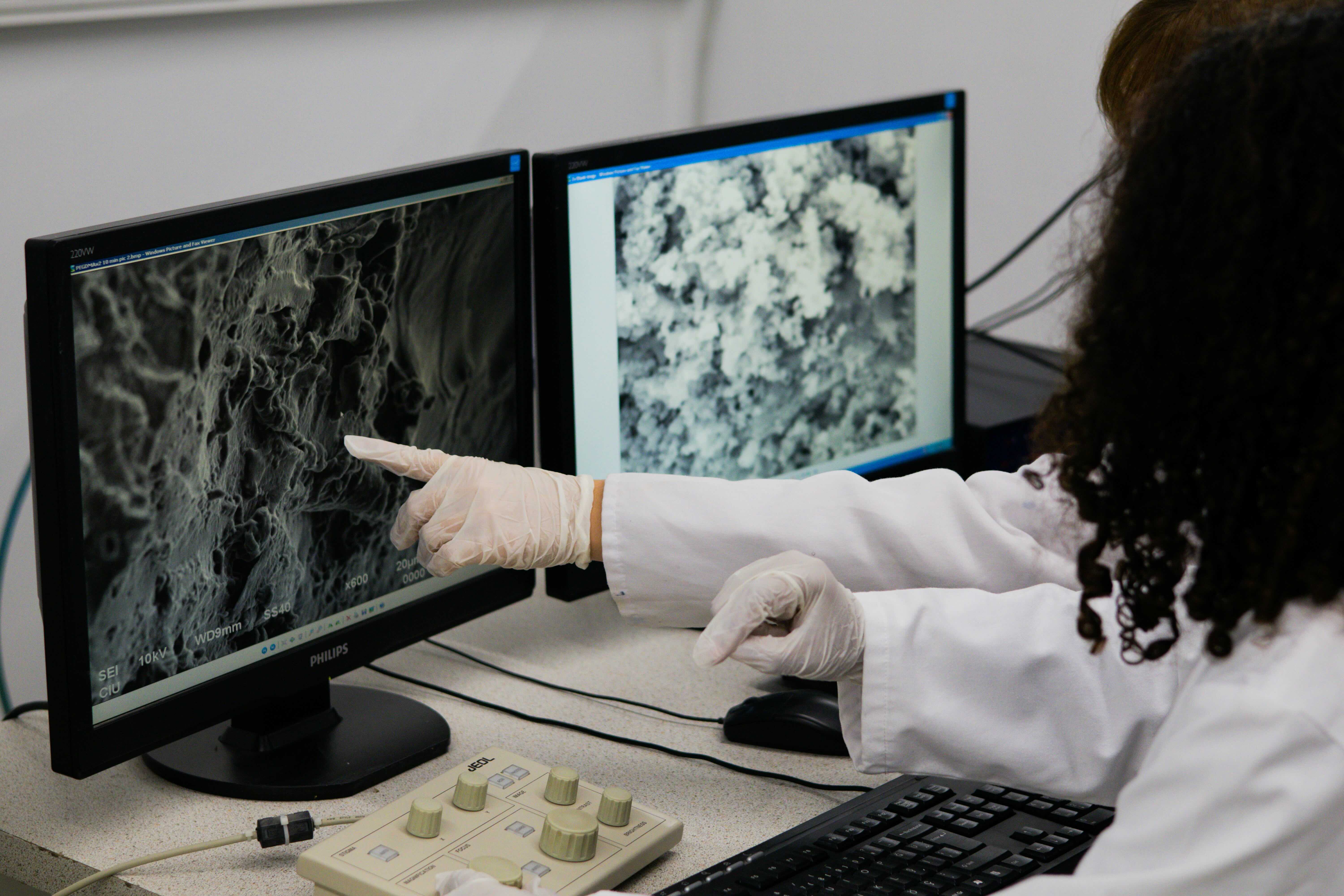
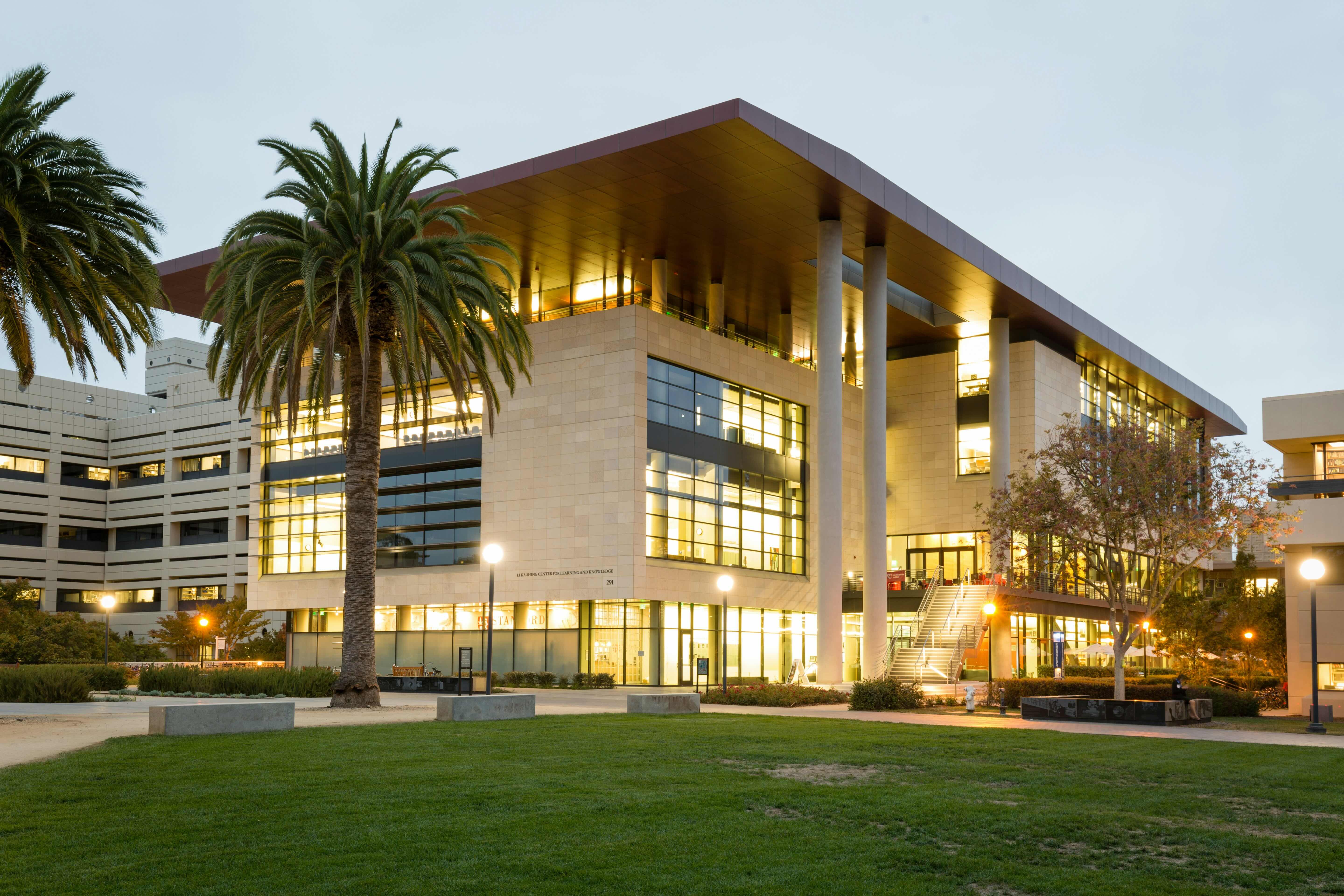
Stanford SIMR is an eight-week research internship at Stanford School of Medicine for high school juniors and seniors. Students work full time in a lab on medically oriented research, with a Stanford graduate student or postdoctoral fellow as a day-to-day mentor. It suits students who want to try biomedical research before college and see how a study is designed, conducted, and communicated.
Stanford does not publish an admissions formula, so the best preparation is a record of scientific curiosity, sustained learning, and a clear explanation of why particular research questions matter to you. This guide covers the program structure, eligibility rules, research areas, dates, cost, application components, and practical preparation.
The Stanford Institutes of Medicine Summer Research Program is an eight-week summer internship hosted at Stanford University. The program describes it as a summer in which high school students "perform basic research with Stanford faculty, postdoctoral fellows, students and researchers" on a medically oriented project. In practice, a graduate student or postdoctoral fellow guides you day to day as you carry out a research project in the lab of a faculty member. You also complete safety training, attend lectures, and prepare a research poster for the final poster session.
The stated goals are to build interest in biological sciences and medicine among high school students and to show how scientific research is performed.
The selection process heavily favors Bay Area students, although eligible students elsewhere in the United States may apply. SIMR offers a second option, the Bioengineering Team Internship. In that track, teams of students identify a medical need, develop and test a prototype, and present it at the poster session. It does not include an individual lab placement.
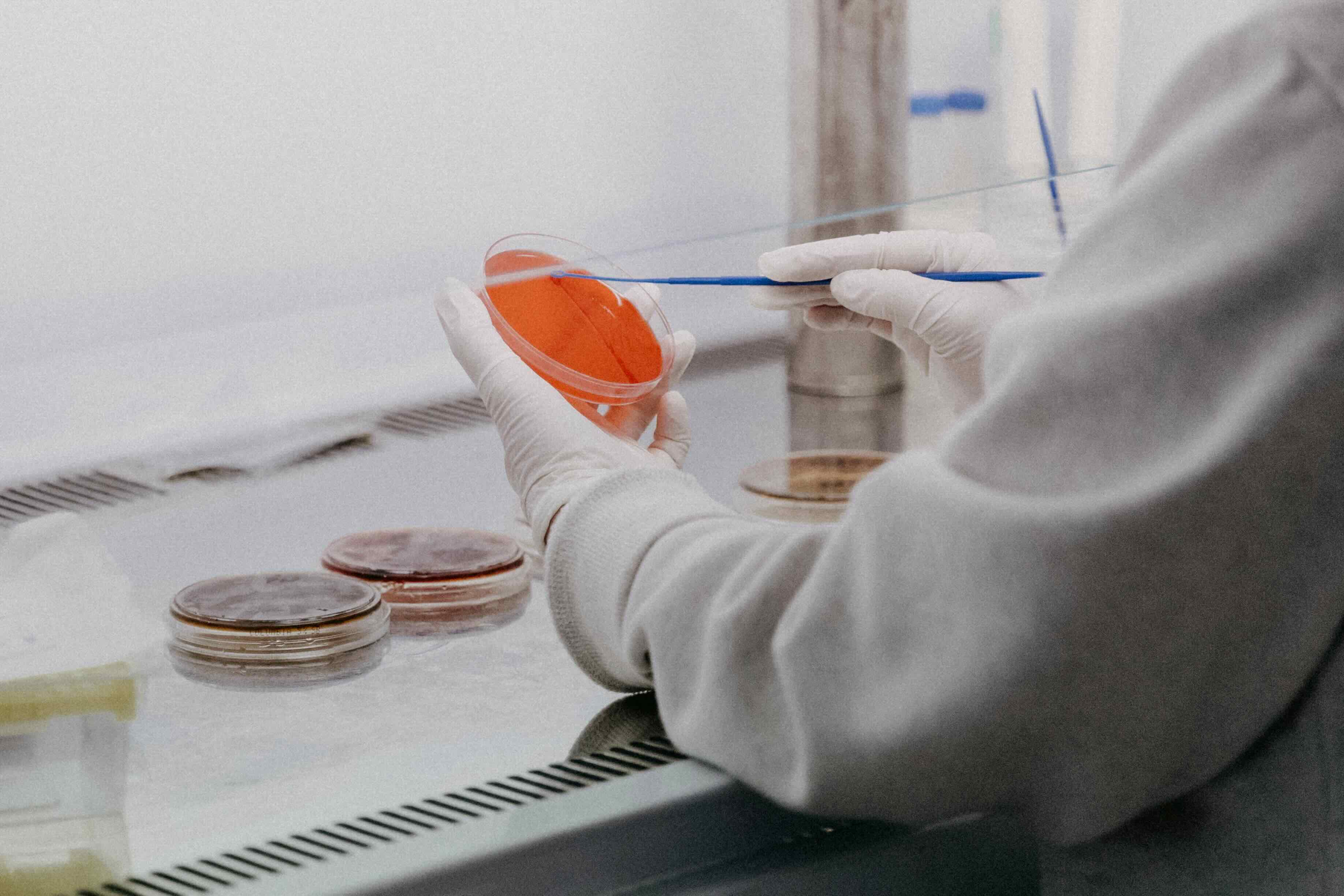
SIMR is open only to students who meet all three published requirements for next summer:
The program states that it makes no exceptions. You must be available from the first day through the end of the program. Lab-based participants should expect about 40 hours per week, Monday through Friday.
SIMR is a commuter program. Housing and transportation are not provided. If you live outside the Bay Area, you may still apply, but you must live with a family member or legal adult guardian during the program and name that person in the application.
You rank your preferences among eight research areas:
After admission, you review the available faculty labs and topics and rank your preferences again. The program tries to accommodate those choices but does not guarantee a particular institute or lab.
Each area covers a different kind of medical research, so read beyond the label. Bioinformatics may involve biological or clinical data, code, and statistics. Cancer biology or immunology may involve experimental laboratory work. Bioengineering can include quantitative modeling, device design, or prototyping. Choose based on the questions and daily work that interest you.
Lab-based students begin with a mandatory orientation and safety training. Lectures are concentrated in the first two weeks, and most of the summer is reserved for full-time lab work. Your day-to-day mentor helps you learn methods, interpret results, and understand the question behind your assigned work.
During the final two weeks, you prepare a poster. The summer ends with a poster session attended by families and the Stanford community. The poster is the program's defined output, and SIMR does not promise that every project becomes a published research paper.
The team internship follows a different schedule. Students work in teams on a medical-design problem, evaluate solutions, build prototypes, and present their design choices.
The SIMR website lists tentative dates. The program runs June 7 through July 29, 2027. The online application and program information are listed for release on December 18, 2026, at 5 p.m. Pacific Time, and applications are due in late February 2027. The exact deadline was not posted when this guide was prepared.
There is a $50 application fee. You can request a fee waiver inside the application if your gross household income is below $80,000 or you have special circumstances. Selected students do not pay tuition or a program fee. The program offers a limited number of need-based stipends, so most students should not plan on receiving one.
The new application document is scheduled for release in December. The 2026 program document, the most recent complete set of instructions, required a Slideroom application, a high school transcript, one recommendation from a current or former high school teacher, two essays, research-area rankings, and the fee or an approved waiver. In that document, standardized test scores are optional and there is no minimum GPA.
Use that list to prepare, then follow the new document, because prompts and administrative details can change. Request an accurate transcript, ask a teacher who knows your academic habits, and think about the scientific questions that have held your attention.
There is no published scoring formula for the SIMR program, so prepare the parts of the application you control.
Choose one or two SIMR areas and learn their central questions, methods, and vocabulary. Read accessible review articles, complete relevant coursework, and practice explaining a recent finding in your own words. Depth in one interest is stronger than a collection of disconnected advanced terms.
Preparation depends on the field. A student interested in bioinformatics might learn Python, data cleaning, basic statistics, and reproducible analysis. A student drawn to experimental biology can strengthen chemistry and biology fundamentals and learn how controls support an experiment.
For example, a student interested in cancer imaging could use a public dataset to compare how image quality affects a classification baseline. A project like this teaches you to form a bounded question, select a method, evaluate results, and recognize limitations.
Classes, science clubs, independent projects, volunteer work, and personal reading can all reveal serious interest. Describe what you did, what you learned, and what question emerged. Avoid turning every activity into a claim of research experience.
Ask for a recommendation well before the deadline. Give your teacher a summary of SIMR, your research interests, and work they have directly observed. A useful letter can describe how you approach difficult material, respond to feedback, and persist when an answer is not immediate.
The SIMR experience is especially valuable if you want full-time exposure to a Stanford lab and can meet the eligibility, location, and schedule requirements. SIMR is a program where students work inside ongoing biomedical research in a faculty lab and finish with a poster.
At Echelon Scholars, we give students unlimited-hour, one-on-one mentorship from research ideation through manuscript development and publication support. That route supports students who want to define an original question, iterate on technical work over six to eight months, and continue through revision rather than fitting the work into one summer.
The two experiences serve different goals. The right choice depends on whether you want an intensive lab placement, an individually owned research question, or a sequence that uses one experience to prepare for the other. Summer research programs like SIMR and long-term mentorship both reward consistent technical work and clear scientific reasoning.
Yes. Eligible students anywhere in the United States may apply, but the program says it is focusing its efforts on students from the Bay Area. Nonlocal participants must live with a family member or legal adult guardian because housing is not provided. The program's FAQ also points nonlocal applicants to other summer programs at Stanford that accept students from anywhere in the country.
Prior research experience is not listed as an eligibility requirement. You should still show relevant preparation, scientific curiosity, and the ability to commit to full-time work in the area you select.
No. Applicants must be living in and attending high school in the U.S. and must be U.S. citizens or permanent residents with a green card. Students attending school abroad or holding another immigration status do not meet the published rules.
Yes. SIMR is free to attend for selected students. The only charge is the $50 application fee, which can be waived based on household income or special circumstances. Limited need-based stipends may be offered.
Stanford does not publish an acceptance rate for SIMR. Its FAQ says the program expects around 50 students, and the actual number depends on participating labs and funding.
Participating in SIMR gives you a full-time summer in a lab at Stanford, a poster you presented, and a mentor who watched you work. You can describe each of those in a college application. The program's pages make no claim about admission to Stanford University or any other college.
Applications are due in late February. The application is listed for release on December 18, 2026, at 5 p.m. Pacific Time, and the exact deadline had not been posted when this guide was prepared.
About Echelon Scholars: Echelon Scholars is a research mentorship program that pairs high school students with graduate-level mentors from Harvard, Stanford, and UC Berkeley. Our editorial team covers academic enrichment, research opportunities, and college preparation.