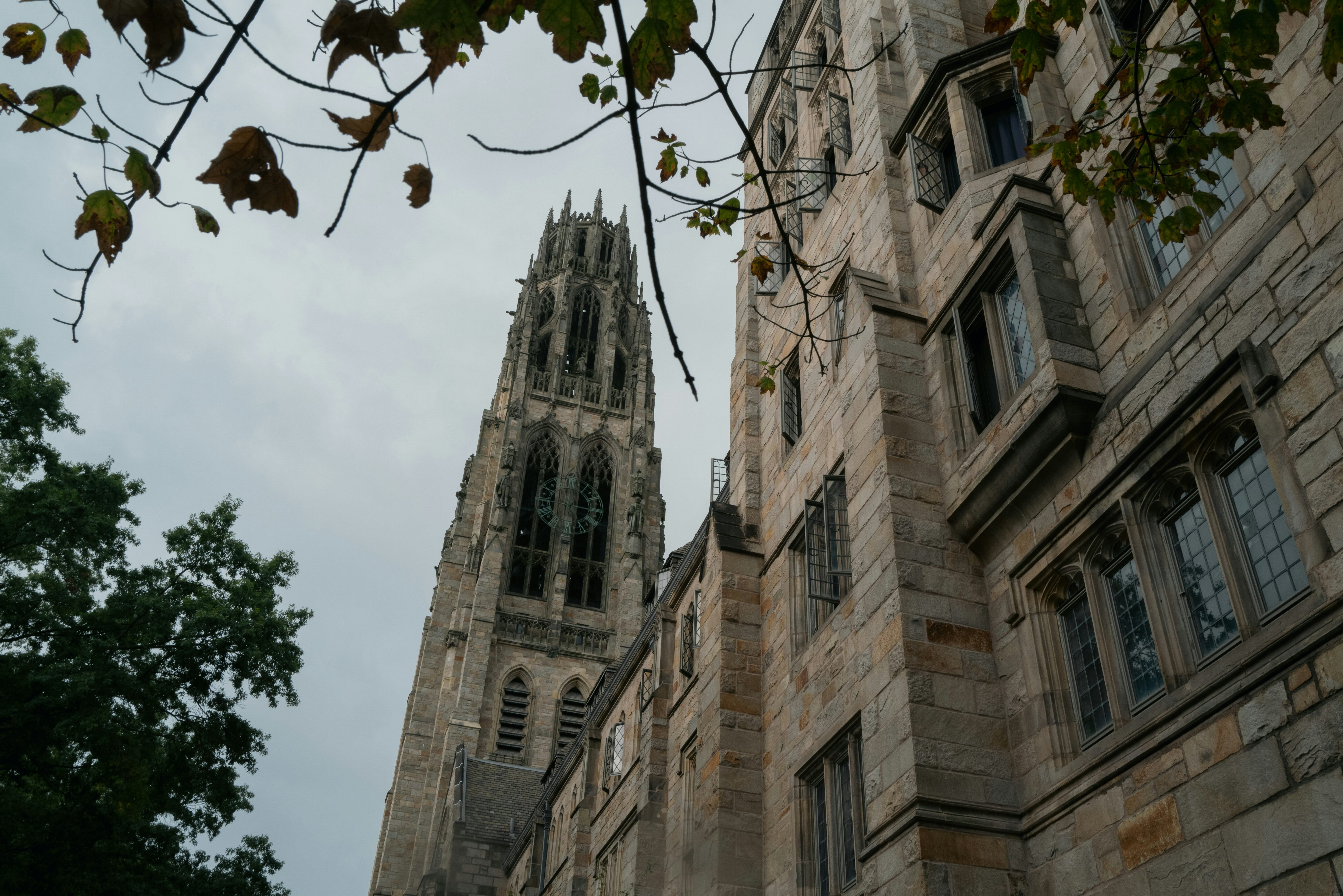
Yale Young Global Scholars is a two-week residential pre-college program on Yale's campus in New Haven. About 1,900 high school sophomores and juniors attend each summer from more than 150 countries. Students live in Yale residential colleges, take seminars from Yale instructors, and work on small group projects. The cost is $7,000 for tuition.
What makes YYGS distinctive is how it's structured. The program doesn't isolate disciplines. Instead, it builds seminars around questions that require multiple fields, which means how you study matters as much as what you study.
YYGS runs on an interdisciplinary model. Rather than offering isolated subject tracks, the program asks questions that require multiple fields at once. A climate discussion pulls in science, economics, and policy. A session on global health covers biology, infrastructure, and politics in the same room.
Students spend most of their time in seminars of about 12 people. There are also lectures from Yale faculty and collaborative projects that wrap up each week. The goal isn't to become expert in a field, but to see how different fields approach the same problem.
Housing is in Yale residential colleges. Meals are in the dining halls. Socially, the program leans heavily on the fact that 1,900 students from 150 countries are all in the same place for two weeks. Alumni consistently say the peer network of people from different continents thinking about different problems is what sticks with them years later.
YYGS offers three tracks. (Prior guides list four; that information is outdated as of 2026.)
Innovations in Science & Technology (IST) covers biotech, computing, engineering, and the ethics and policy attached to them. This is the highest-demand track as far as workload.
Politics, Law & Economics (PLE) is for students interested in governance, legal systems, and public policy. It's structured around debate and argument.
Solving Global Challenges (SGC) is the most flexible. It's organized around problems like public health, migration, and sustainability rather than disciplines.
You rank your track preferences when you apply and are admitted to a specific session and track.
The application typically opens in September for the following summer. Yale has confirmed a September opening for the 2027 cycle but hasn't released exact dates yet.
Based on recent years:
The application requires a 400-word essay, a 200-word short response, two 280-character "fast take" answers, your transcript, and one recommendation. International students may need to submit a TOEFL or Duolingo English Test score.
Applications are read on a rolling basis, but all decisions release at once after the full pool is reviewed. However, early birds are rewarded: applying Early Action gets you a decision sooner and carries lower associated costs.
On acceptance rate: Yale does not publish acceptance rates, though this is in line with standard practice. Online figures speculate ranges from 10% to 34%, though these are unverified. What is known is that the program admits roughly 1,900 students per summer, positioning it as competitive, but structurally different from programs admitting dozens.
Like an program, YYGS is useful for a specific type of student, but likely a poor fit for others.
It may make sense for your academic plans if:
Focus elsewhere if:
Students who get the most from YYGS tend to leave with a clearer sense of what interests them and no idea what to do with that knowledge.
Turning "I'm interested in climate policy" into a nuanced, interdisciplinary research question, finding out what's already been published, designing something that can actually test your hypothesis, and then spending four or five months on it at the highest level can happen in a two-week program. PhD-level research is unique, value-add, and it ends with a paper you can defend.
For students interested in this kind of distinctive research, Echelon Scholars is worth exploring. It pairs high school students with researchers from Harvard, Stanford, and UC Berkeley for original research guided from question to finished paper. Rather than replace YYGS, it can a natural next step after YYGS if you want to take the question to the next academic level.
When does the YYGS 2027 application open? The application typically opens in September. Yale has confirmed a September opening for 2027 but hasn't released the exact date yet. Check globalscholars.yale.edu for the announcement.
What is the YYGS application deadline? Early Action: Early November. Regular Decision: Early to mid-January. Early Action applicants receive decisions in mid-December; Regular Decision decisions release in mid-March.
How much does YYGS cost? Tuition is $7,000 for the two-week session, covering housing, meals, and materials. Travel is not included.
Can international students apply to YYGS? Yes. YYGS accepts students from all countries. Need-based financial aid is available equally to domestic and international students.
What are the YYGS eligibility requirements? You must be 16–18 at program start, a current sophomore or junior, fluent in English, and cannot have previously attended YYGS.
Is YYGS a research program? No. YYGS is an academic seminar program with group projects, not independent research. There is no faculty mentor or thesis component.
How selective is YYGS? Yale does not publish an acceptance rate. The program admits approximately 1,900 students per summer, making it competitive but different in scope from programs admitting dozens of students.
What should I write about in the YYGS essay? Explain why this program's interdisciplinary structure matters to you and how it connects to what you're trying to figure out about yourself academically. Be specific about which questions interest you.