
Turning Ideas into Impact: Aarav’s Journey to IEEE Acceptance
My favorite part was the ideation stage because I was able to explore so many different ideas and turn them into research with real-world potential.
About the research
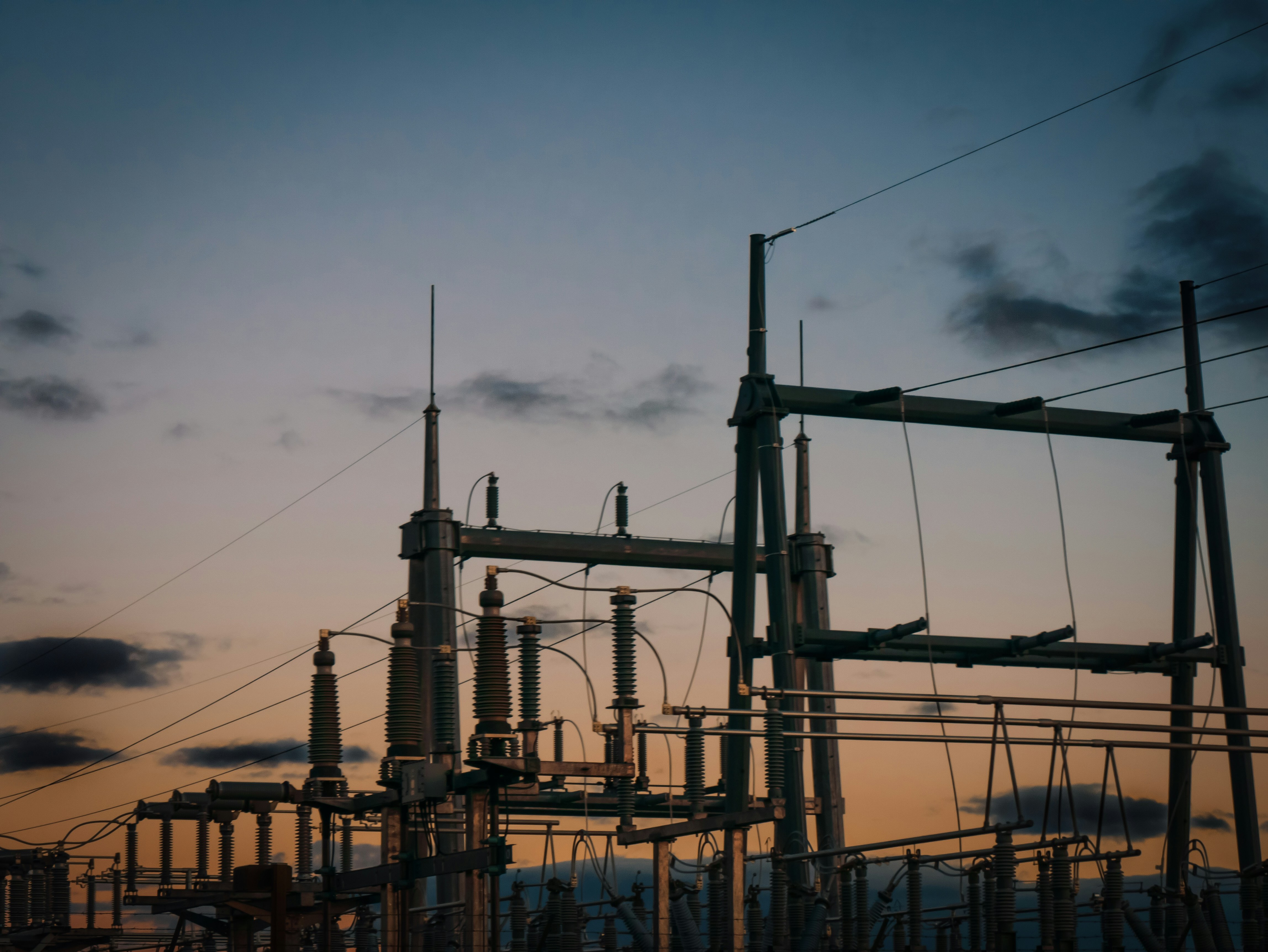
Aarav developed a leakage-aware ridge-stacked ensemble combining RNN, Random Forest, and XGBoost forecasts across 66 power-system zones and more than 103.8 million zone-time observations, achieving a 0.1248% MAPE and an R² of 0.999721 for 15-minute-ahead load forecasting through an interpretable, validation-trained correction layer.
Through ideation, technical experimentation, result verification, and repeated model development, Aarav transformed his broad interests in artificial intelligence and sustainable energy into an original machine-learning framework accepted to an IEEE international conference on his first submission. The experience helped Aarav become more confident as an independent researcher, understand the real-world applications of his work, and think more deeply about his future academic direction.
In the scholar’s words
How did the research process build your confidence?
“When I first started this research journey, I was unsure whether I was capable of writing and publishing a paper at the postgraduate level. Having clear guidance, thoughtful feedback, and consistent support from my mentor throughout the process made the experience feel much more manageable and helped me become more confident in working independently.”
What was your favorite part of the research process, and how did it help you explore your interests?
“My favorite part was honestly the ideation stage because I was able to generate and explore so many different ideas. It allowed me to look into different fields, pathways, majors, and future activities connected to my interests.”
What did you learn about developing a novel research contribution?
“Identifying the state-of-the-art methods and figuring out how to make a genuine improvement was challenging. I learned that novelty is not simply about increasing accuracy. It can also come from how the architecture is constructed, how different methods are combined, and how rigorously the results are evaluated. In my project, I developed a ridge-stacked ensemble that combined RNN, Random Forest, and XGBoost models while maintaining chronological data splits and preventing test-set leakage.”
What was the most challenging part of the research?
“The hardest part was the technical work, specifically iterating on the models and determining where the novelty would come from. My mentor helped me verify each step and guided me through how to build the architecture, evaluate different approaches, and identify which aspects could form a meaningful research contribution.”
How did your mentor support you throughout the process?
“Throughout every stage, my mentor guided me in the right direction and encouraged me to keep moving forward. Especially during the technical phase and while establishing the novelty of the work, he was always available to answer my questions and help me think through the next step. That support helped me ensure that my work was making a real contribution.”
How did the mentorship balance guidance with independent student ownership?
“Throughout the process, my mentor helped me recognize that I was capable of producing valuable work independently. I was the one conducting the research, but I also had someone there to provide guidance whenever I needed it. That balance made the mentorship process extremely valuable to me.”
How was the mentorship valuable beyond completing the paper?
“Pranav also took the time to help me think through my academic interests and future plans, which made the mentorship valuable beyond the paper itself. The team gave me insight into the real-world impact of the research, and that helped me think more clearly about how I could continue building on the work. I genuinely enjoyed the entire journey.”
How did you react when your paper was accepted?
“I was really happy, and my parents were very happy as well. I was grateful to have the paper accepted to IEEE on my first submission. Seeing that my research had the potential to meet a postgraduate standard made the entire process feel especially rewarding. I am very thankful to Pranav for helping me reach that point.”
How do you plan to build on your research in the future?
“While I am still in high school, I plan to continue developing my research toward real-world applications and use the experience to pursue opportunities in research laboratories and academic competitions. After high school, I hope to contribute to university research laboratories and use this foundation to take on more advanced and technically challenging work.”
“This program has been an exceptional experience for our child. The mentor, Pranav Kulkarni, provided clear guidance, thoughtful feedback, and steady encouragement while giving our child the independence to take genuine ownership of the research and writing process. Throughout the program, we saw meaningful growth in confidence, analytical thinking, and the ability to approach complex problems independently. We are sincerely grateful to Pranav and the entire team for creating such a supportive and inspiring experience for young researchers.”
