
From Medical Imaging Data to IEEE Acceptance: Dhiren’s Research Journey
"Having my paper accepted felt like a huge achievement because it represented over a full year of effort."
About the Research
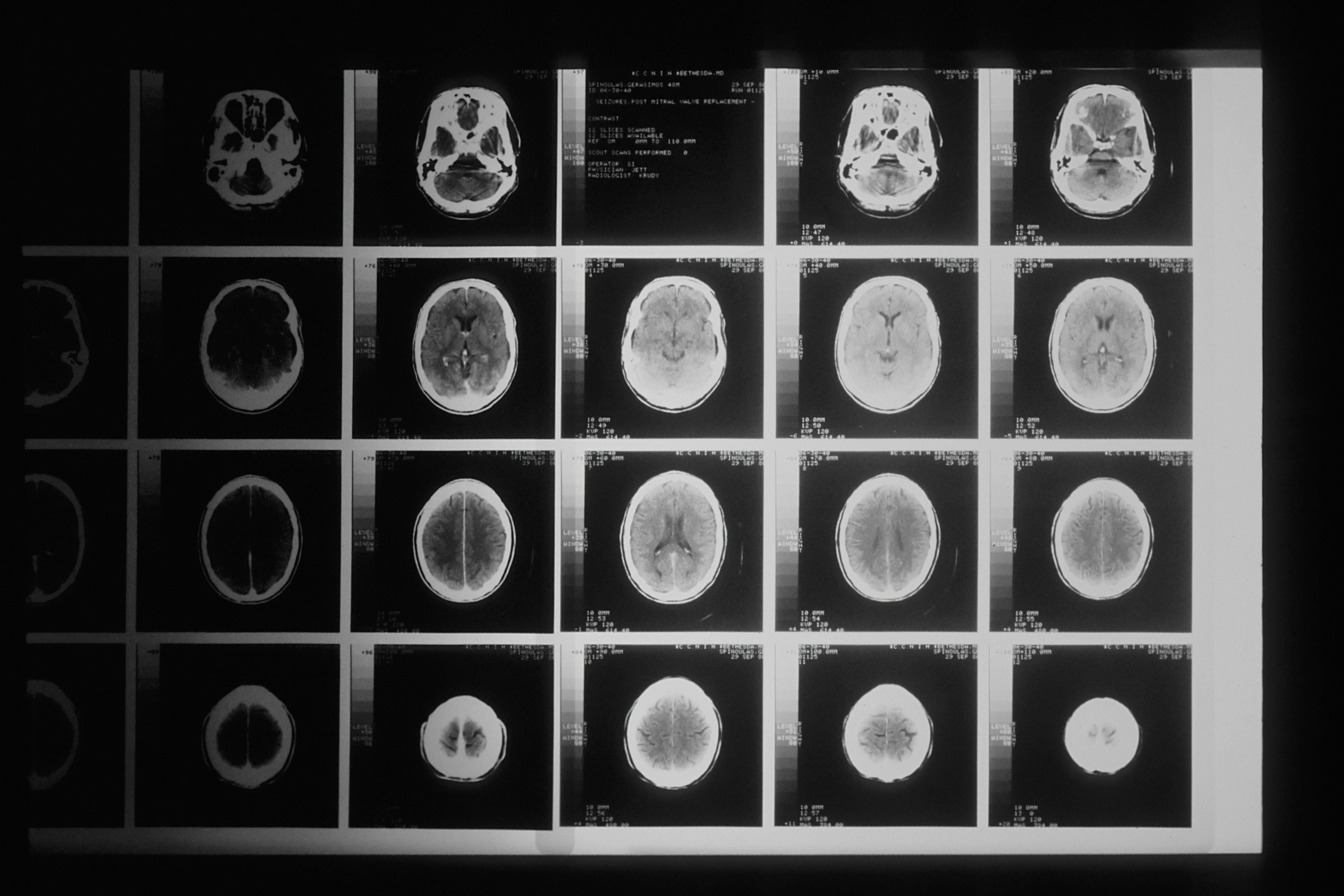
Dhiren developed a lightweight 0.73-million-parameter dual-attention 2D CNN that preserves pulmonary nodules at native CT resolution, achieving 94.74% accuracy, 94.99% sensitivity, 94.54% specificity, and a 0.9892 AUC on LUNA16 while using 64 times fewer computational operations than a 3D ResNet-18.
Over approximately one year, Dhiren learned how to work with medical-imaging datasets, develop and evaluate vision models, verify experimental results, identify a meaningful research contribution, and transform his findings into a formal research paper.
In the Scholar’s Words
What was your favorite part of the research process?
“My favorite part was actually also the hardest part: the technical work. It allowed me to explore different vision models, understand how they worked, and apply them to a medical-imaging problem.”
What was the most challenging part of the research?
“The most challenging part was the technical work, especially verifying the results and making sure the model was producing reliable findings. It was a major learning process, but working through those challenges and eventually getting everything to work was incredibly satisfying.”
How did your mentor support you throughout the process?
“My mentor gave me a clear roadmap, introduced me to valuable resources, and helped me understand how the research process should work. He guided me in the right direction without hand-holding me through every step, which made it possible for me to work independently and complete the research to the best of my ability.”
What technical skills did you develop?
“I learned how to work with datasets, analyze data, implement machine-learning models, and understand how important data quality is to producing trustworthy results. I also learned how to write a formal research paper, from improving grammar and clarity to organizing sections and subsections effectively.”
How did your understanding of research novelty change?
“At first, I thought novelty simply meant making one method perform better than another. Through the process, I learned that novelty is much more nuanced. It can come from how the data is prepared, how the model is designed, and how rigorously the results are evaluated. In my paper, the novelty came from preserving nodule detail at native CT resolution and combining channel and spatial attention in a lightweight 2D model. This allowed the model to achieve high specificity without requiring the computational cost of a much heavier 3D architecture.”
What did the research process teach you beyond the technical skills?
“I learned that conducting real research is genuinely challenging, especially as a high school student. There are many failures, revisions, and unexpected results, so I had to become more resilient and continue working through setbacks instead of expecting everything to work the first time.”
How did you react when your paper was accepted?
“I was really happy. Having the paper accepted to IEEE felt like a huge achievement because it represented nearly a full year of effort.”
How do you hope to continue using this experience?
“In college, I am interested in studying bioinformatics, biotechnology, or bioengineering and continuing to work in medical technology. I would also like to explore building a startup and use the foundations from this paper to work on real-world biomedical problems.”
What would you tell another high school student considering research?
“I would encourage another student to pursue it. Research is a really exciting process that allows you to see how researchers and scientists work in the real world. It expands your knowledge, develops your critical thinking, and teaches you how to approach difficult problems at a much deeper level.”
